


February 26, 2026
Lisa Bowden
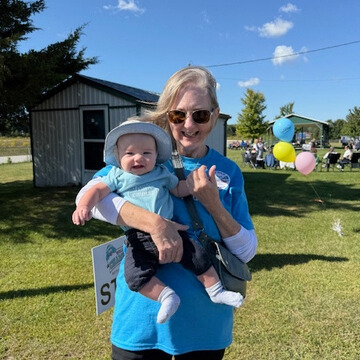
Advocacy in Action: Lisa Bowden Speaks Up for London, Ontario, Workers with Myeloma
Editor’s note: To celebrate Myeloma Action Month, which is just around the corner, the Spotlight column for February focuses on the action one person took to make a big impact in her local community. Introducing…Lisa Bowden.
After her first taste of advocacy, Lisa Bowden was hooked.
In late 2023, Lisa joined Myeloma Canada staff and a group of myeloma advocates at the Ontario Legislature for meetings with decision-makers and walked away from the experience inspired to do more.
During one meeting that day, a legislative team member became visibly emotional upon hearing Lisa and other patients tell their stories.
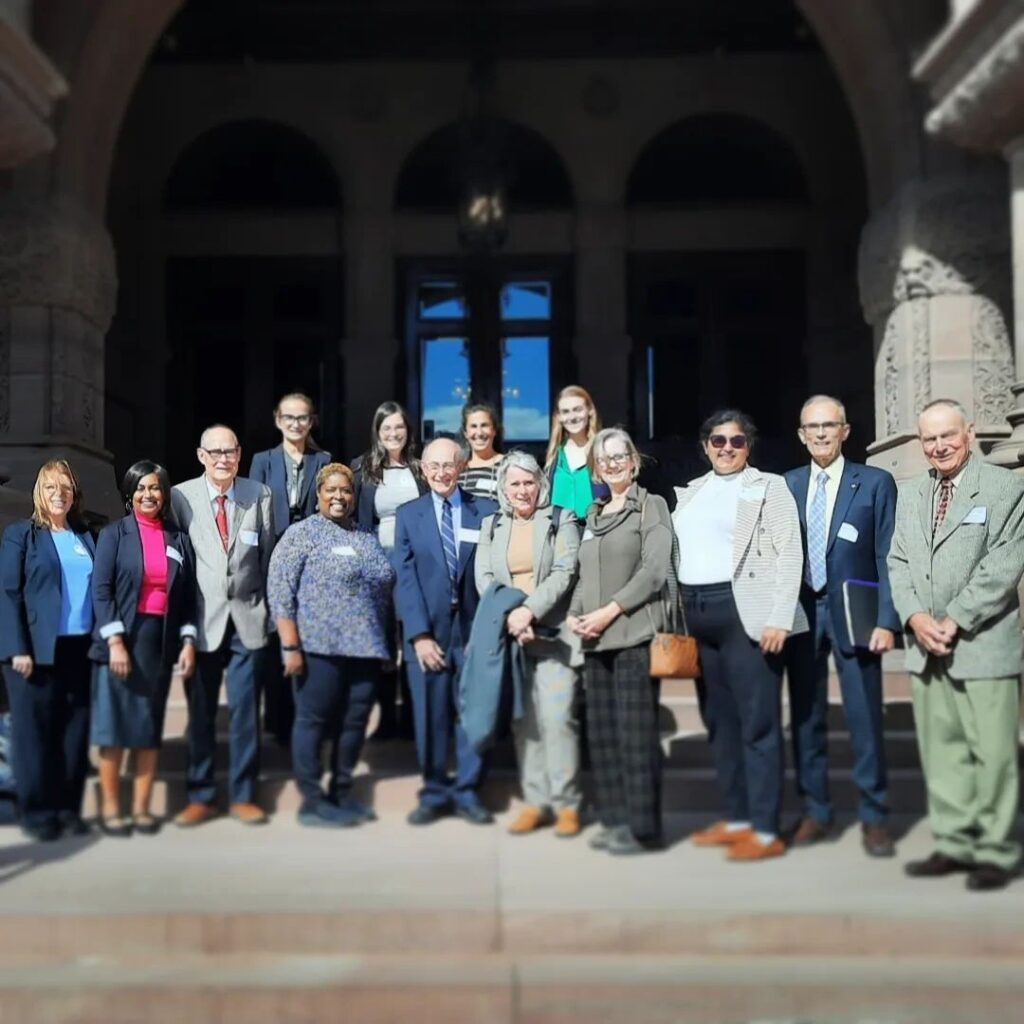
[Photo: Myeloma advocates at Legislative Action Day in 2023 at Queen’s Park in Toronto, ON]
“He truly listened.” she recalls. “And in that moment, I knew I wanted to be part of this — using my story to make a difference.”
Diagnosed with myeloma in 2017, Lisa has spent the last eight years supporting the London, Ontario myeloma community as a fundraising volunteer, former support group leader, and now as a member of her local support group steering committee.
Noticing a Pattern, Asking Questions
In early 2025, her interest in advocacy took on a new urgency. Lisa began noticing something that didn’t sit right with her. An unusual number of retirees in her support group had all worked at the same recently closed local manufacturing facility.
“I kept hearing the same workplace name come up again and again,” she recalls, and it quickly became a concern she couldn’t ignore. Lisa mentioned the pattern to her oncologist, who agreed that this didn’t seem normal.
As she continued to have conversations about this pattern, she realized the healthcare system doesn’t routinely collect occupational information for illnesses, and especially not from retirees. “That really shocked me. It is procedure to collect occupational information when a person seeks medical attention for an injury, so why not for an illness?” Lisa adds.
Worried that a possible connection between the retirees’ former employment and their diagnoses could slip through the cracks, Lisa reached out to Myeloma Canada staff for support. That’s when she got to work.
Making Connections Occupational Exposures and Myeloma
Lisa brought everyone together to talk through their experiences: the types of jobs they did, the substances they handled, and the conditions they worked under. As she listened, Lisa began connecting the dots with existing research on occupational exposures and multiple myeloma.
“Everyone shared the same underlying feeling that the work environment may have played a role,” Lisa recalls. “They all had stories about the conditions they worked in. And I think just coming together to talk about it, in those early conversations, helped people realize they weren’t alone.”
What started as a hunch quickly became a coordinated advocacy effort. Lisa worked with the group to draft letters to both their local union chapter and the company itself, informing them of a possible cluster of myeloma cases and requesting that workplace exposure records be preserved and made accessible. She made sure all parties understood the seriousness of the situation and the importance of protecting documentation that could be critical for future investigation.
Getting Attention: Meeting Members of Provincial Parliament and the Occupational Health Clinics for Ontario Workers
Next, Lisa coordinated outreach to local Members of Provincial Parliament (MPPs) and helped organize a meeting between them and the group of former employees. This meeting proved to be a turning point. It helped connect the group with the Occupational Health Clinics for Ontario Workers (OHCOW), who confirmed Lisa’s suspicion: this many myeloma cases in one workplace is concerning and does warrant further investigation. OHCOW encouraged the former employees to make formal worker’s compensation claims to initiate this investigation.
“There was a real sense of validation in having experts say, ‘Yes, this isn’t right,’” reflects Lisa. “Being heard meant so much.”
Currently, Lisa continues to liaise with OHCOW and the MPPs, and to support the former employees as they navigate Workplace Safety and Insurance Board (WSIB) claims, while she looks for ways to get the information out to other potentially affected workers.
It’s worth noting that Lisa did all of this simply because she saw a potential problem, people who may need help, and chose to step up. Her efforts are grounded in a deep empathy for others living with myeloma and a determination to ensure no one’s voice goes unheard. While Myeloma Canada has supported her along the way, Lisa herself has been the driving force: a fierce advocate for members of her community who might otherwise go unheard.
“I never thought of myself as an ‘advocate’ before,” Lisa says. But sometimes, “…simply asking the question ‘is something off here’ can become an advocacy journey.”
Advocacy is for Everyone
Lisa’s work is a powerful reminder that everyone is an advocate. Advocacy doesn’t need to start with policy expertise or formal training. Often, it takes just one person noticing a pattern, asking a question, and refusing to let it drop.
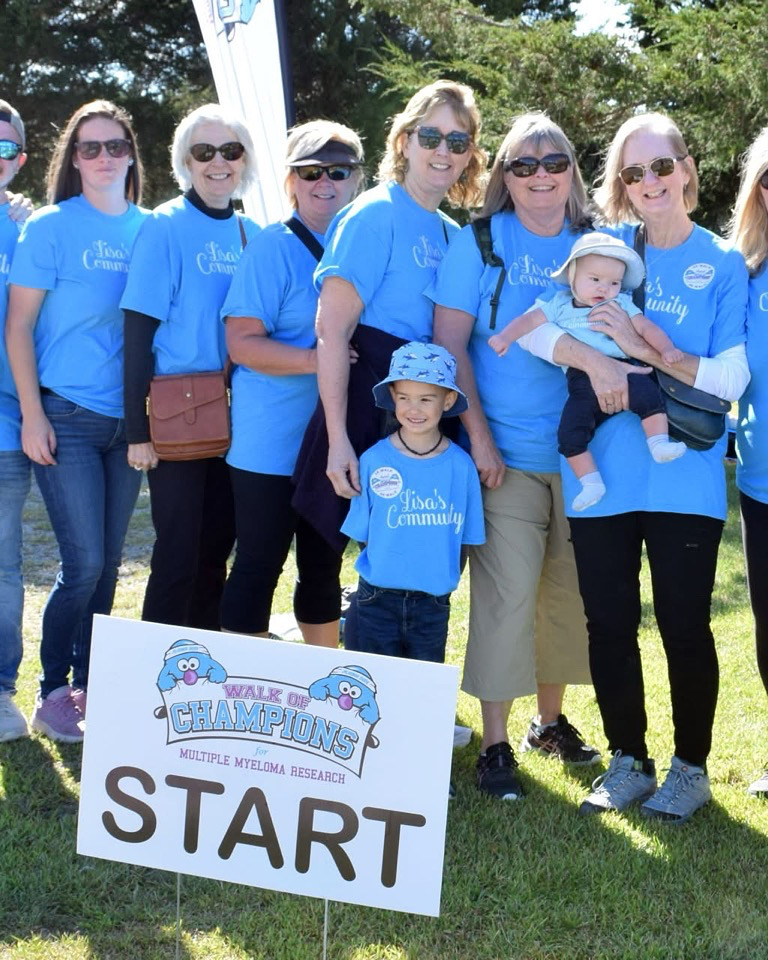
[Photo: Team “Lisa’s Community” at the Walk of Champions in London, ON, in 2025]
For Lisa, being an advocate wasn’t part of the plan. She came to advocacy as a natural extension of her work in the myeloma community, and now, is an invaluable member of Myeloma Canada’s Advocacy Committees, continuing to engage with the wide range of issues impacting people affected by myeloma.
So, what does advocacy mean to her? “Using your voice to be heard. If my story can help others with myeloma, why wouldn’t I tell it?” Lisa adds, “After all, who knows your story better than you?”