
December 18, 2025
Susanne Carrillo
Buying time and never losing hope.
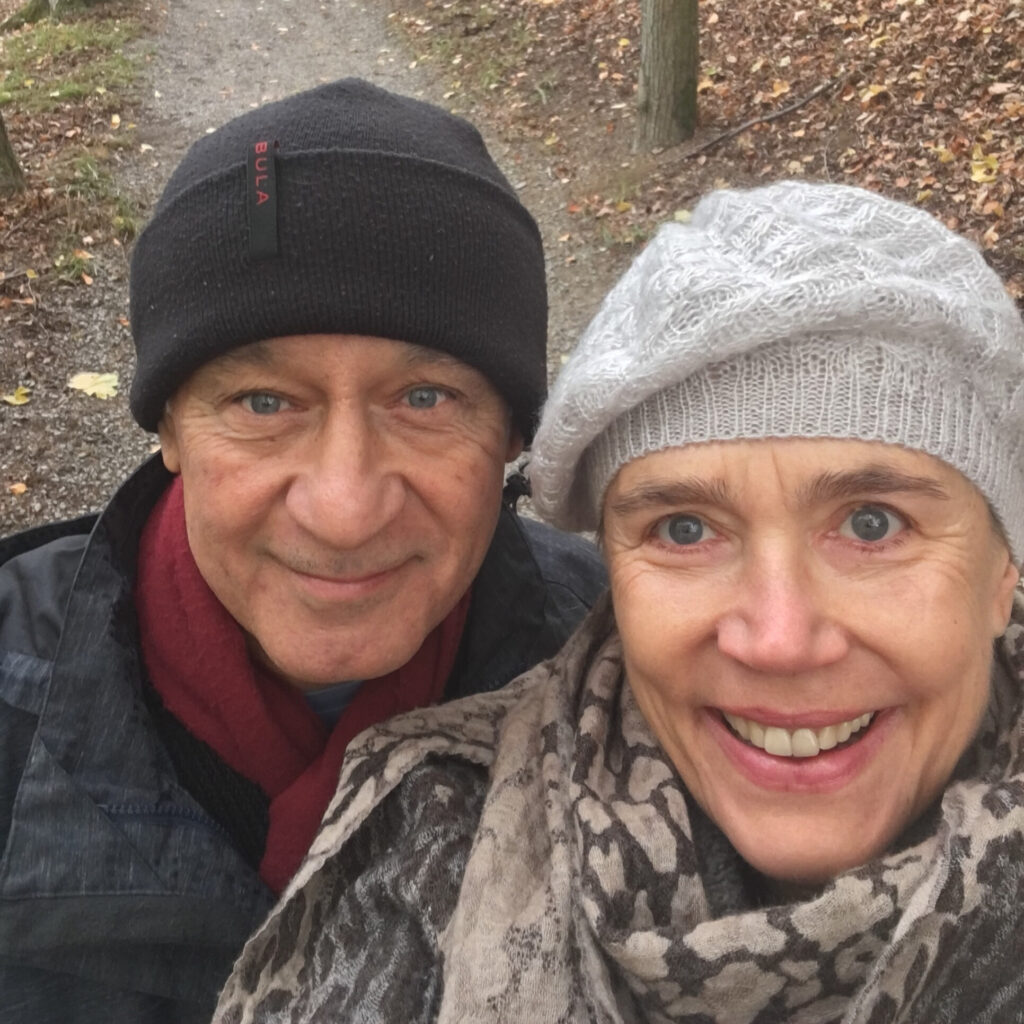
I would imagine that for most of us, the day we were told we had multiple myeloma was traumatic. I remember my hematologist’s exact words: “Your results [of your bone marrow biopsy] are shocking.” My husband Jude and I were dumbfounded. It was 2017 and I was 61 years old.
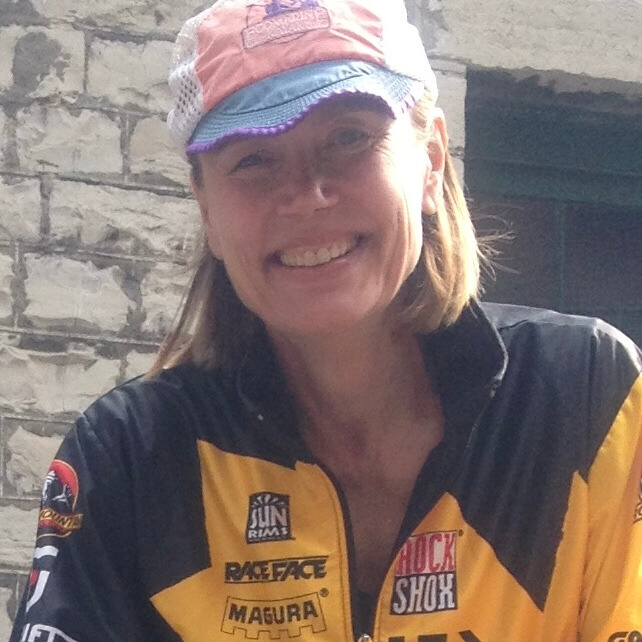
It took seven years for my diagnosis. By that time, I had gone from being an extremely active mountain biker to not being able to walk more than 100 yards.
When I was finally diagnosed, I immediately started CyBorD (cyclophosphamide, bortezomib, and dexamethasone). I received my first autologous stem cell treatment in 2018 and enjoyed three years of maintenance-free remission.
The myeloma became active again in 2021. This time, I received daratumumab and dexamethasone (dex) which helped for nearly a year. It was time to change again. I attempted carfilzomib and dex which I couldn’t tolerate. Then came pomalidomide and dex which were only effective for about eight months.
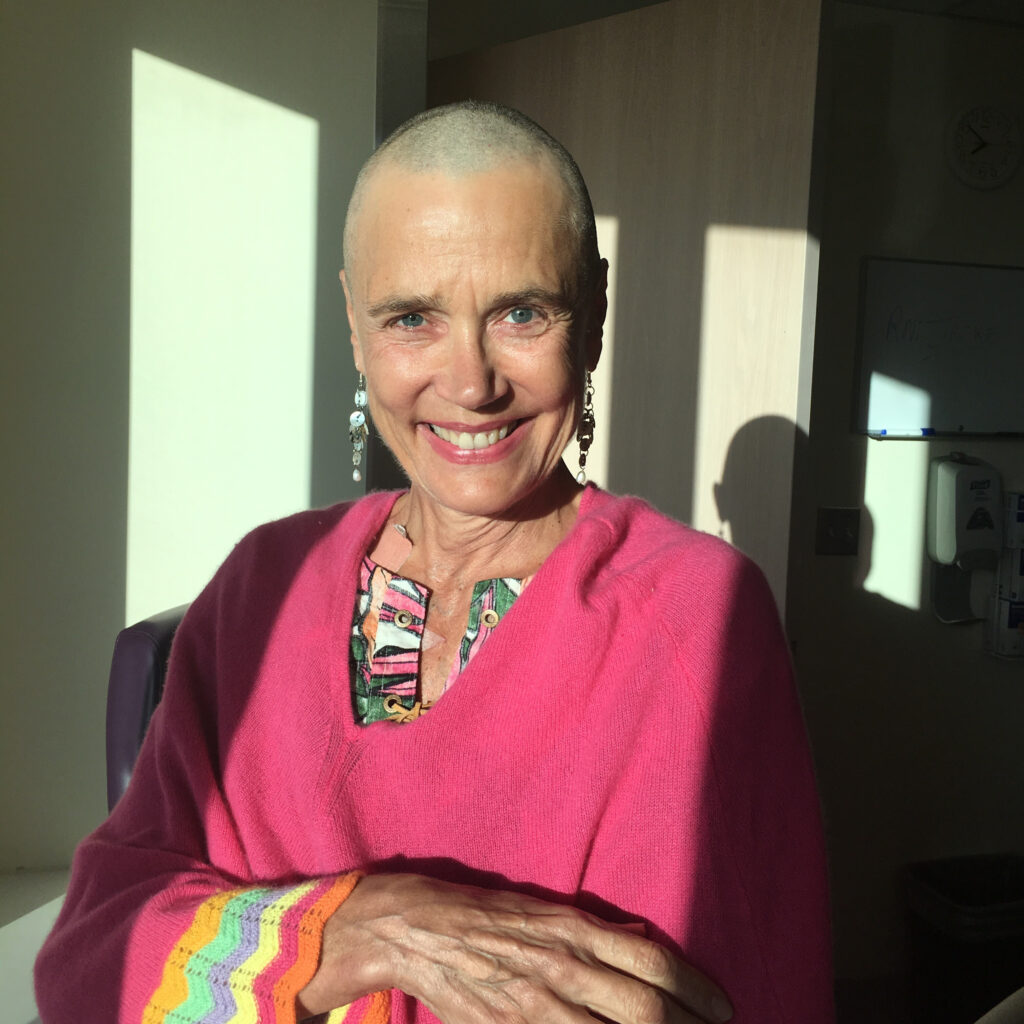
[Photo: The day I was admitted to Princess Margaret Hospital for an autologous stem cell transplant 2018]
I was running out of treatment options. I attempted to enter a CAR T-cell therapy trial, but the myeloma was too aggressive. Instead, I went on a “bridging therapy” of pomalidomide, ixazomib, daratumumab, bortezomib, and dex but it literally pushed me over the edge.
Thankfully teclistamab, a bispecific monoclonal antibody therapy, became available and so I underwent a rescue ASCT (autologous stem cell transplant) to prepare me for it. Teclistamab worked well until the fall of 2024 and then I became refractory to it. This was my 7th line of treatment, and I was very close to the end of available options.
There was one last possibility worth trying: elranatamab. Unfortunately, elranatamab didn’t work for me. The myeloma had now progressed outside the bone marrow so elranatamab would not have improved my situation.
It was now 2025 and I had, once again, come to the end of the treatment options available to us but we weren’t giving up. An older treatment called D-PACE bought me a couple of weeks. We found out about a new immunotherapy called talquetamab which was approved by Health Canada but shockingly not recommended for reimbursement by the Canada Drug Agency. There were no special access programs available on a compassionate basis. It was like a carrot being dangled in front of me…approved but not accessible. That left us with only one option, to go to the U.S. and pay out of pocket.
I received my first dose of talquetamab in Buffalo, NY. Fatefully, my husband is also a resident of the United States so we were beyond fortunate to have most of the initial treatment costs in the USA covered. Had he not been, we would have tried to figure out a way to pay but the financial burden would have been extreme.
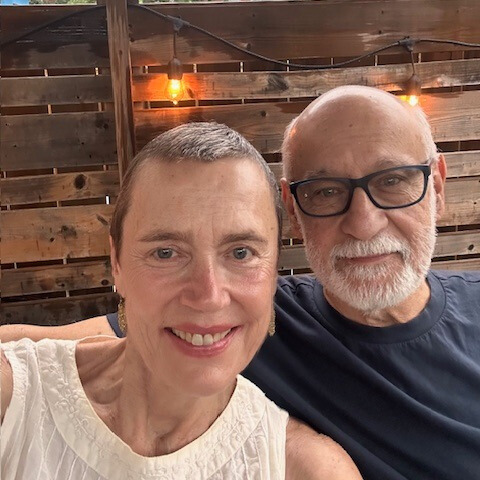
[Photo: Summer BBQ, 2025]
Staying in the States to receive the required follow-up doses of talquetamab for on-going treatment was out of the question. Here we were confronted yet again with a huge roadblock as these follow-up doses were not covered by my Medicare.
After the initial treatment, I contacted Martine Elias, the Chief Executive Officer at Myeloma Canada. “Don’t give up” was her message. She explained that many were, and still are, working to have talquetamab approved for reimbursement in Canada. Martine taught us about advocacy and navigating the medical system. After tremendous teamwork, I am happy to say we succeeded in getting me talquetamab on a compassionate basis. What this meant was I could now receive follow-up treatments here in Ontario.
Collaboration with Myeloma Canada
I am exceptionally thankful for Martine and the Myeloma Canada team in helping us through this difficult labyrinth. Because of them, I did receive the balance of treatments very close to home.
I realize that my story is somewhat unique and that I am blessed and privileged to have had the ability to go to the United States for the treatment I needed to keep me alive. I also realize that this is not a solution nor is it a feasible reality for the majority of Canadians in my situation. We must invest more money in not only research, but in advocating for access to these new and promising treatments here in Canada.
I cannot underestimate the urgency to ensure there are new treatments in the funnel, that groundbreaking therapies are approved and made accessible to us in Canada so we have real, not theoretical, options to turn to through every stage of the disease. Having access to these is non-negotiable. Seeking treatment outside the country, or having to pay out of pocket, is unacceptable.
When Myeloma Canada approached me to share my story as part of their 2025 Hope campaign, I was honoured. This organization does so much for those of us affected by myeloma. Without them, I really don’t know what I would have done.
As 2025 comes to a close, please think of honouring someone you love with a donation to Myeloma Canada. They need our support so they can continue to provide us with the support and information we need to understand and live with this disease, invest in promising research, and advocate for access to therapies we need to keep us alive. Without them, I don’t know if I would be here today.
Wishing you all a very healthy and beautiful holiday,
Susanne