


October 23, 2026
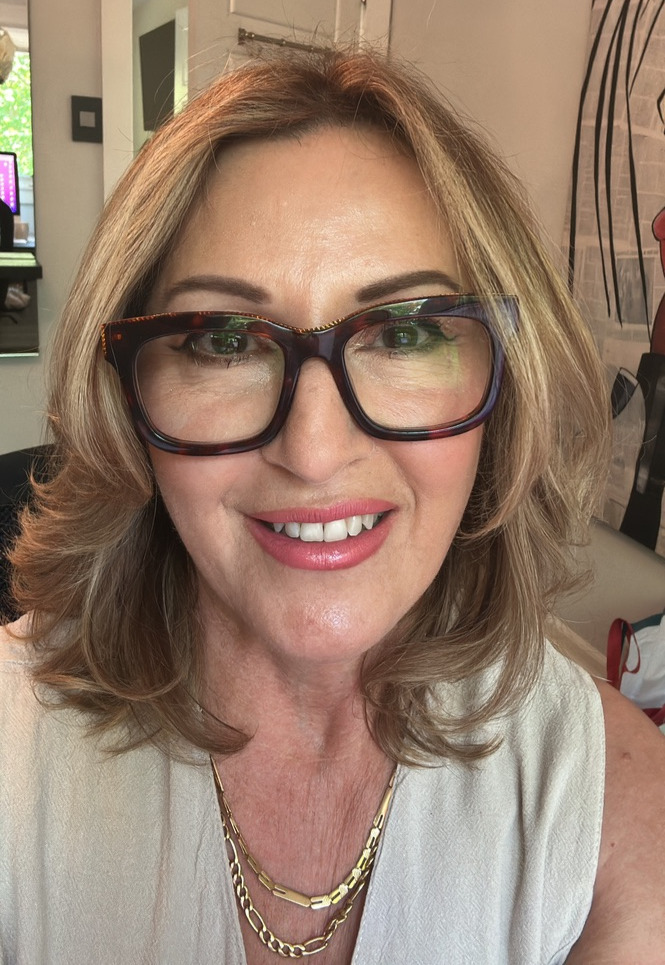
Mickey Tortorelli
Learning, discussing, and a positive attitude
Mickey Tortorelli is from and still lives in Mississauga, Ontario. She was 64 years old when she was diagnosed with multiple myeloma.
My professional background is in beauty education and technology. I’m the CEO of BeauteSchool Inc., which is a Canadian company that specializes in beauty retail education and LMS licensing. We also publish a virtual magazine called BE Magazine, which is created to support Canadian beauty advisors, and developed the Retail Beauty Advisor Certification Program, the only one of its kind in North America.
My life before diagnosis was spent working, travelling, spending time with my family and friends, entertaining, and gardening. These days, I also spend time doing volunteer work at Wellspring, providing energy healing for those who need it.
The road to diagnosis
Before my diagnosis, I didn’t have any symptoms. During my yearly physicals, my family doctor notified me about a blood test that showed a higher than normal level of protein, so she referred me to a hematologist who tested my blood yearly. In January, 2025, the blood labs showed a much higher level of protein in my blood than the previous year, which prompted them to recommend a bone marrow biopsy.
In March of 2025, I had the bone marrow biopsy, which was a painful experience. I was told that this test was the only one that could be done to identify if I had blood cancer.
At my follow-up appointment with the hematologist, I was told I had two blood cancers. I was in shock. I could not believe I had one cancer, let alone two. I was diagnosed with multiple myeloma, which was occupying 60% of my bone marrow and chronic lymphocytic leukemia (CLL). I learned that with multiple myeloma, one could experience organ issues, bone lesions, and pain. I was grateful that I did not have any of these problems.
My hematologist, during our followup meeting, explained that I would likely need a stem cell transplant, which also scared the hell out of me. This whole ordeal was a lot to absorb. Of course, I was scared, sad, and had a whole world of cancer in front of me to understand and learn about.
The worst part of all of this was that my husband had been diagnosed with bladder cancer just two weeks before my diagnosis. On our way home from the doctor’s office, we cried together and tried to figure out how we would tell our three adult daughters. That conversation broke my heart. My daughters were in shock, but at the same time supportive and empathetic. They are my angels.
Getting a second opinion
After a couple of weeks and many discussions with my husband, I decided to get a second opinion. I had researched the blood cancers department at Princess Margaret Cancer Centre (PMCC) and wanted to go there to have a second opinion. My hematologist referred me and I met my new oncologist, Dr. Yang, and, of course, I had to have another bone marrow biopsy. This time I was better prepared. The procedure at PMCC was more conducive to relaxation, and I was slightly sedated, which I truly appreciated.
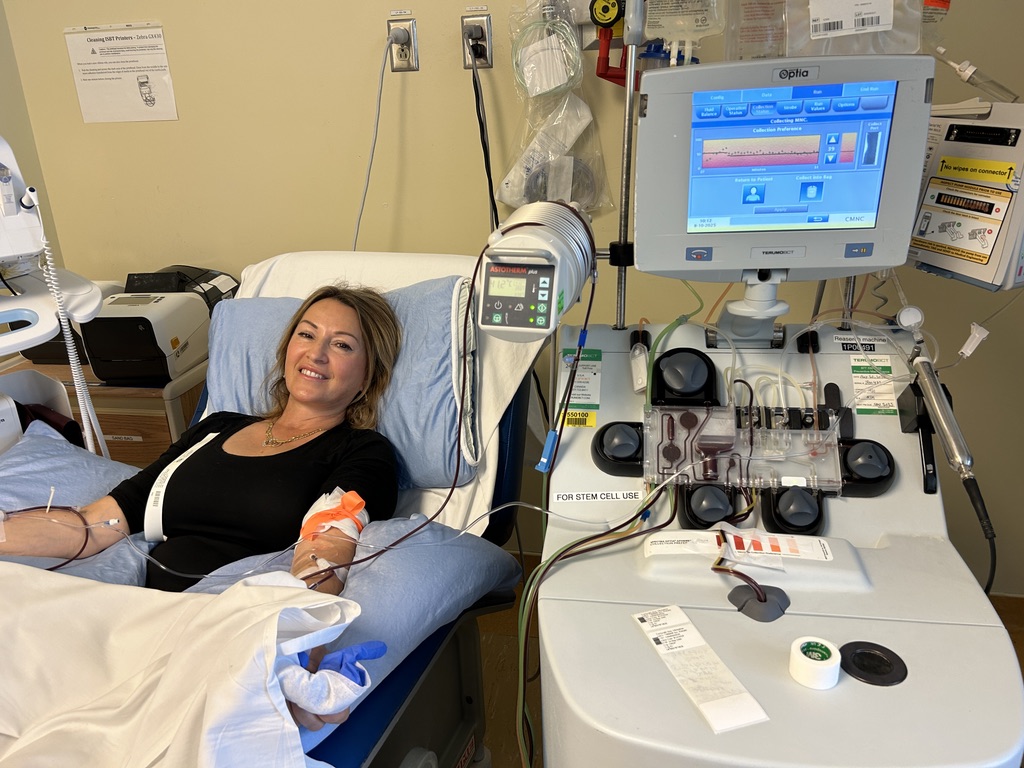
The results were the same. I decided I wanted to have my cancer managed by the PMCC staff, and they were able to have me start treatment at Oakville Trafalgar. After a few months, I decided to have my treatment at PMCC location as well.
My multiple myeloma education
In terms of my journey, I did not know what to expect. As an educator, I turned to research to learn as much as I could about multiple myeloma, treatment, side effects, lifestyle changes needed, etc. I started with Myeloma Canada and dove into every piece of information I could. I loved the patient stories as I could learn from people who had actually experienced multiple myeloma.
In addition, I also researched medical journals, clinical trials, read Kathy Guisti’s book ‘Fatal To Fearless’, and any cancer sites that provided information. For me, education meant power and control over this cancer. I felt so much better knowing everything I could about the disease, its treatment, and this allowed me to recognize symptoms, what was causing them, and what I could do. It also gave me so much information that I could speak with my oncologist about. I refused to be a by-stander. Rather I wanted to feel involved, aware, in control, and be ‘on-top’ of what was happening. This knowledge I gained led to productive conversations with my oncologist. I was part of the decision making process and felt confident in my treatment and changes I could make from a lifestyle perspective.
The treatment journey
I began on the DVRd treatment, four cancer drugs that had been part of a clinical study with much success. These drugs included daratumumab (Darzalex), bortezomib (Velcade), lenalidomide (Revlimid), and dexamethasone. One important thing I learned was that the lenalidomide is not indicated and is not recommended for the treatment of CLL as there could be potential serious side effects. I was extremely worried about this. I expressed my concern with my hematologist and discussed that I wanted to start with the lowest dose possible rather than the ‘standard’ dosage and see how it worked. I was so grateful that this low dose had a very good effect.
For me, being able to have this conversation, and for my hematologist to be empathetic, and willing to support me was very meaningful. I felt that as a patient, I also have a voice, which was important in my treatment and healing.
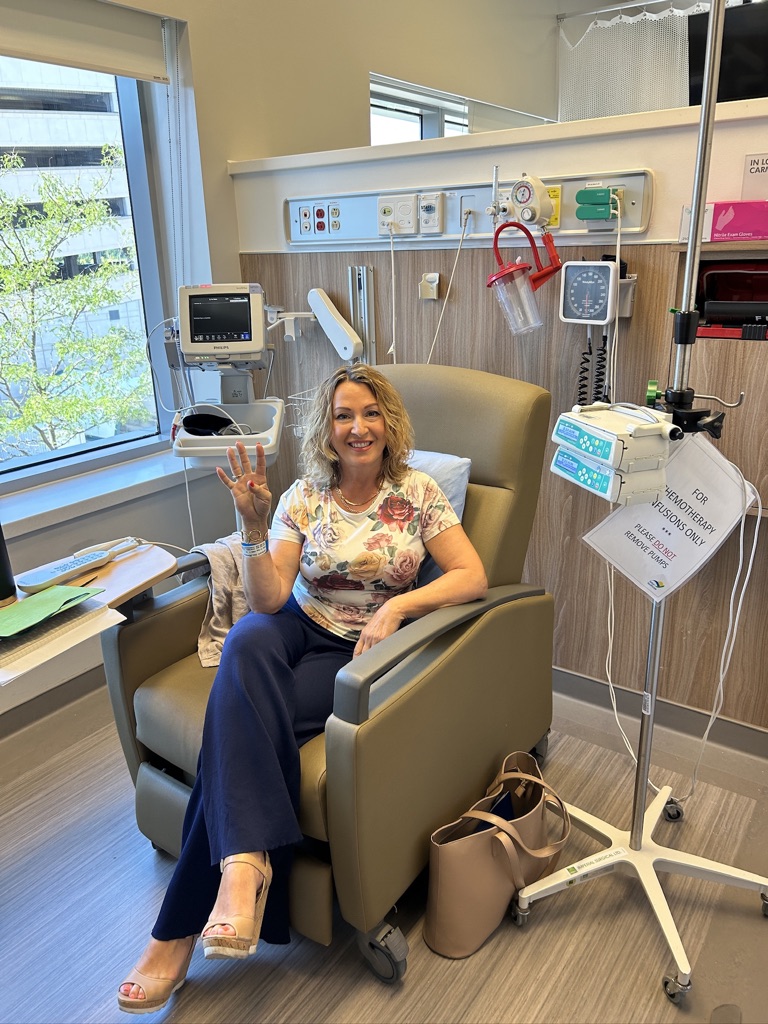
After much research into medical journals, I also decided not to go ahead with the stem cell transplant, even though I was considered a ‘good candidate’. After discussing it with my doctor and family, we decided that the potential survival benefit was not significant enough for me to justify putting myself through the procedure. Again, I was grateful to have a hematologist who I could discuss my treatment with.
Maintaining a positive attitude
During my treatment, I dove into my gardening. The time spent in nature was healing me. I felt it. I also returned to meditating on a more regular basis. I moved my body as much as I could and ate as healthy as possible. I worked only on a part-time basis and spent as much time as I could with my family and friends.
One thing that was very important was maintaining a positive state of mind. This was a must, every day. I truly believe that what we think manifests itself in our physical body. And I know that the days I was feeling tired or had side effects that were bothersome, I always did my best to have a positive attitude. This cancer was not going to beat me. I know that my mental attitude had a lot to do with my progress.
After 3 months of treatment my cancer markers came down drastically. My oncology team told me that I had a deep response to my treatment. I was elated!
I continued treatment for a few more months to see if we could get the cancer markers down further. I did experience a severe systemic reaction to lenalidomide after six months. My body turned the colour of red wine! I stopped this drug immediately. Perhaps my body knew it was time to stop. I also had to stop Velcade around the same time as I was beginning to develop symptoms of neuropathy.
In January 2026, my oncologist recommended that we stop treatment as my markers had continued to stay low. I had read about minimal residual disease (MRD) testing and asked if I could have this done. I had this test with yet another bone marrow biopsy and it showed I was MRD negative, meaning that this very sensitive test could not detect a myeloma cancer cell amongst 1 million blood cells. Hallelujah!!
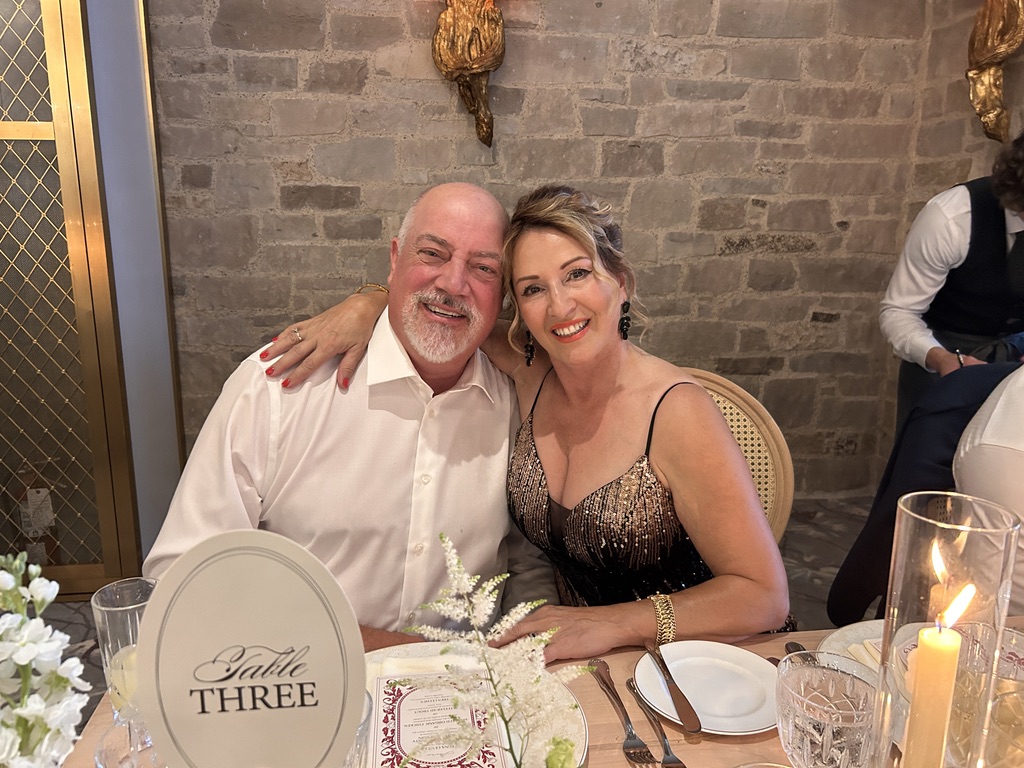
This was the greatest news in the world! I was so grateful and overjoyed. Myeloma is said to have no ‘cure’, but, the work that’s being done with new treatments that have deep and long responses are here. What was dreadful news just five years ago has changed to a much, much longer life today.
Where I stand now
In retrospect, I can sincerely say that my experience with myeloma taught me to believe in myself, to be educated, to participate in my treatment and healing, and to continue to enjoy and be grateful for the little and big joys that we are blessed with every day. And, most importantly, to remember that everything that happens to us is affected by how we think and our attitude towards life.