


July 23, 2026
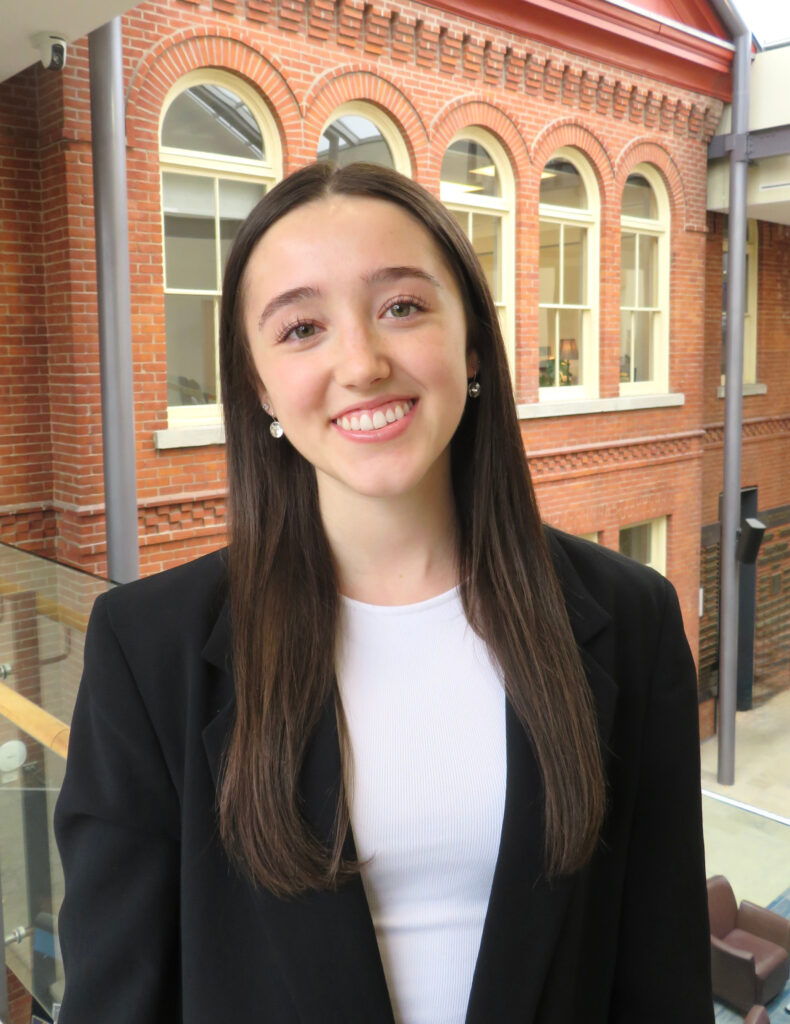
Jasmine Way
For My Dad: How Jasmine Brought the Myeloma Community Together in Corner Brook
Myeloma Canada: Can you start by telling us a little bit about yourself?
Jasmine Way: My name is Jasmine. I’m 19 years old and I’m from Corner Brook, Newfoundland. I have a younger sister, Jade, and my mom, Lynn. I’m going into my second year at Queen’s University studying health science, and I hope to pursue medicine in the future. I love spending time outdoors in our cabin in the summer, hunting in the fall, and skiing in the winter.
MC: Can you tell us a little bit about your dad?
JW: My dad, Monty, was an amazing man. He would do anything for anyone. He was diagnosed with multiple myeloma in 2018 at just 47 years old. He fought for five years until he passed away in February 2023 at the age of 52. My dad never let cancer slow him down. He was always picking at a project or taking me and my sister on boat rides or side-by-side rides. He taught me to be strong and to never give up on anything. He was a fighter, and I will always admire his grit and perseverance.
MC: Before your dad was diagnosed, what was life like for your family?
JW: Our family is very outgoing. We spent a lot of time together at our cabin and trailer, doing outdoor activities.
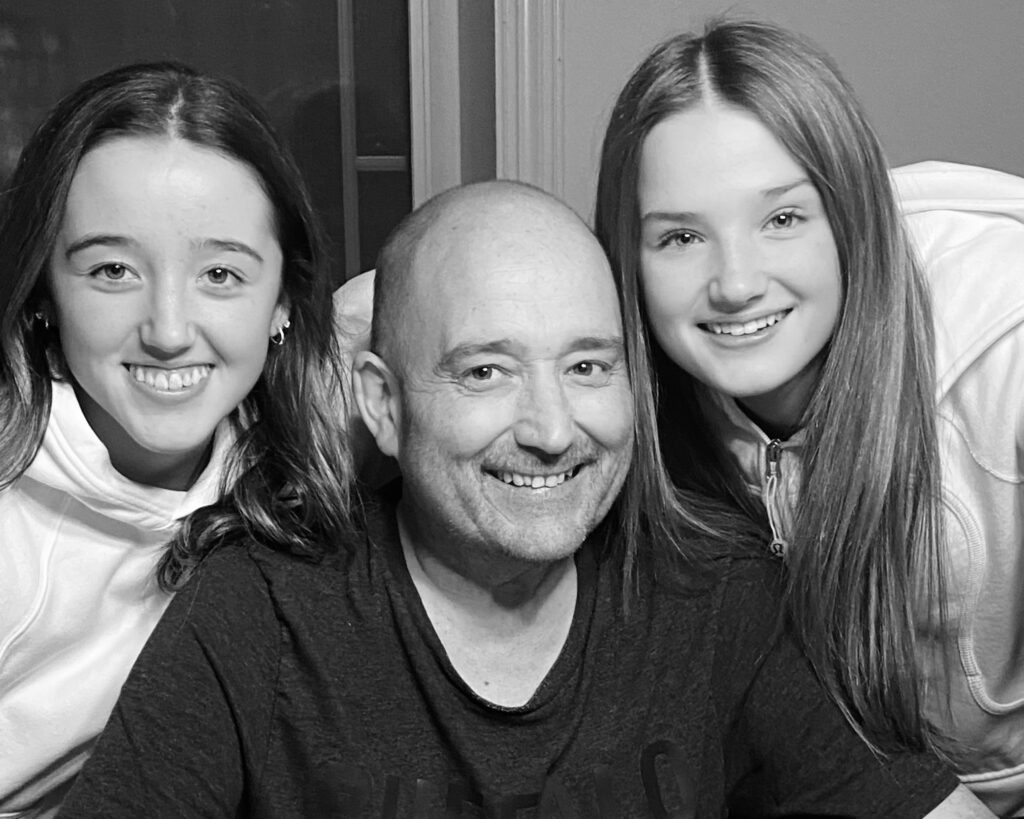
[Photo: Jasmine Way with her father, Monty, and sister.] I didn’t actually know about my dad’s cancer until August 2022, so life before and during his diagnosis didn’t seem that different to me and my sister. We simply weren’t aware of what was going on until then.
MC: How old were you when you found out?
JW: Fifteen. In Newfoundland, high school starts in grade 10, so I was just starting high school when they told me. It was a lot to take in all at once.
MC: Before your dad’s diagnosis, had you ever heard of myeloma?
JW: No, I had no idea what myeloma was. It’s not talked about the way leukemia is. You hear that word so much more. And living in a small town, it wasn’t something that came up in conversation among people my dad’s age or the community around us. There just wasn’t a lot of awareness about that type of cancer where we lived.
MC: When you first found out about your dad’s diagnosis, how did you react?
JW: It was a big shock. This had been going on for five years and I was just finding out. The first few weeks and months were really rough for our family. His health was also starting to decline by that point, which is part of why they told us when they did.
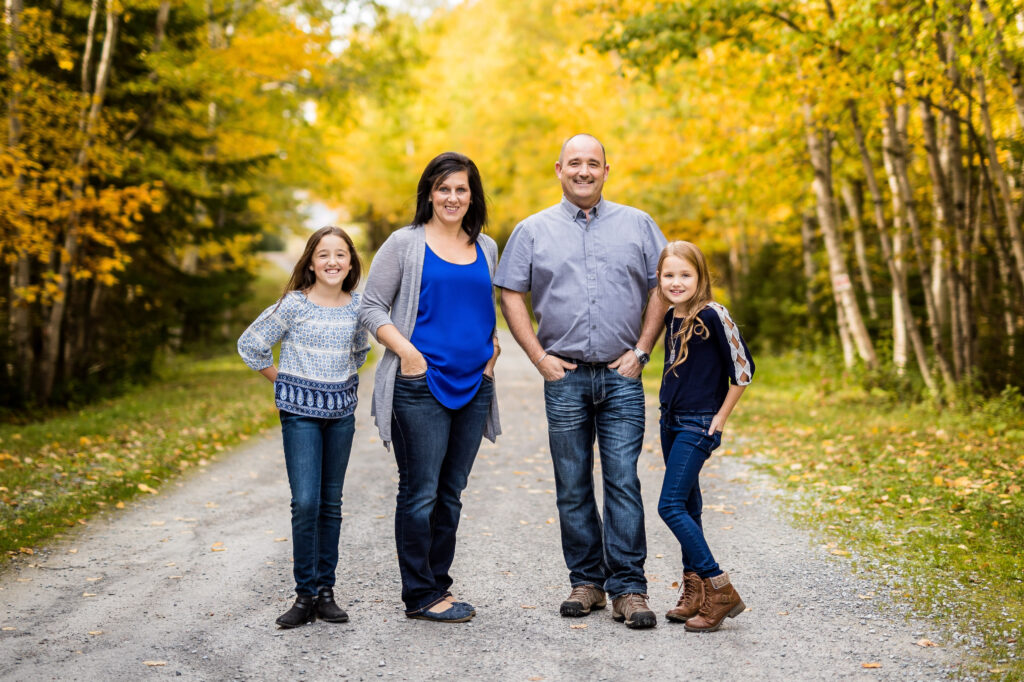
[Photo: Jasmine Way with her mother, father, and sister.]
I had a great support system in family and close friends, but I also had to process the fact that everyone else had known for years. At first I was a little angry, because I felt like something had been kept from me. But looking back, I understand. He just wanted us to have those last few years as a normal family, without that weight on our minds all the time.
MC: Can you tell us more about your support system?
JW: My extended family, nans and pops, aunts and uncles, we are very close-knit. We do a lot of family suppers and get-togethers, and we all spend time at the cabin. That closeness has been really important since my dad passed. And I have great friends I can always turn to. There is always someone there for me when I need to talk.
When I started at Queen’s, I had only known my new friends for about a week when I found out the Kingston March was happening. I just told them what I do and asked if anyone wanted to come. They all showed up.
MC: How did you take care of yourself through all of this?
JW: Staying active and keeping up the things I loved. My dad always said he didn’t want us to stay home and be sad. He wanted us to keep doing what we loved, hang out with friends, keep living. Extracurriculars and being outdoors were really important during those months. They kept my mind occupied.
MC: How did you first find out about Myeloma Canada?
JW: I was sitting with my mom at the kitchen table and she mentioned that my aunt in Halifax had gone to a walk for my dad’s type of cancer. I didn’t know something like that existed. I tracked down an email address and told my mom I was going to start a March in Corner Brook. She said, “You’re what? Do you know how much work that is?” And I said, “I want to do it.” I sent off an email and that was that.
MC: How many years ago was that?
JW: Two years ago. This will be our third March.
MC: How did you go about planning the first one?
JW: I started in June, which was a bit late, so the first few weeks were about finding a venue, thinking about volunteers, and figuring out logistics for the day. After that, I printed sponsorship letters and started going around to businesses in the community. I advertised on social media and then on local radio stations. The second year, I did an interview with NTV News. Sponsorships and donations came in after that, and then it was just about organizing everything for March day. It was a busy few months.
MC: What was the first Corner Brook March like on the day?
JW: It exceeded my expectations. Over 50 people walked and we raised almost $14,000, which was amazing for a first year. There were some small things I had to figure out on the fly, but overall it was such a big success. Last year we raised almost $20,000, which still blows my mind for a small community. We had over 60 people. It’s getting bigger each year.
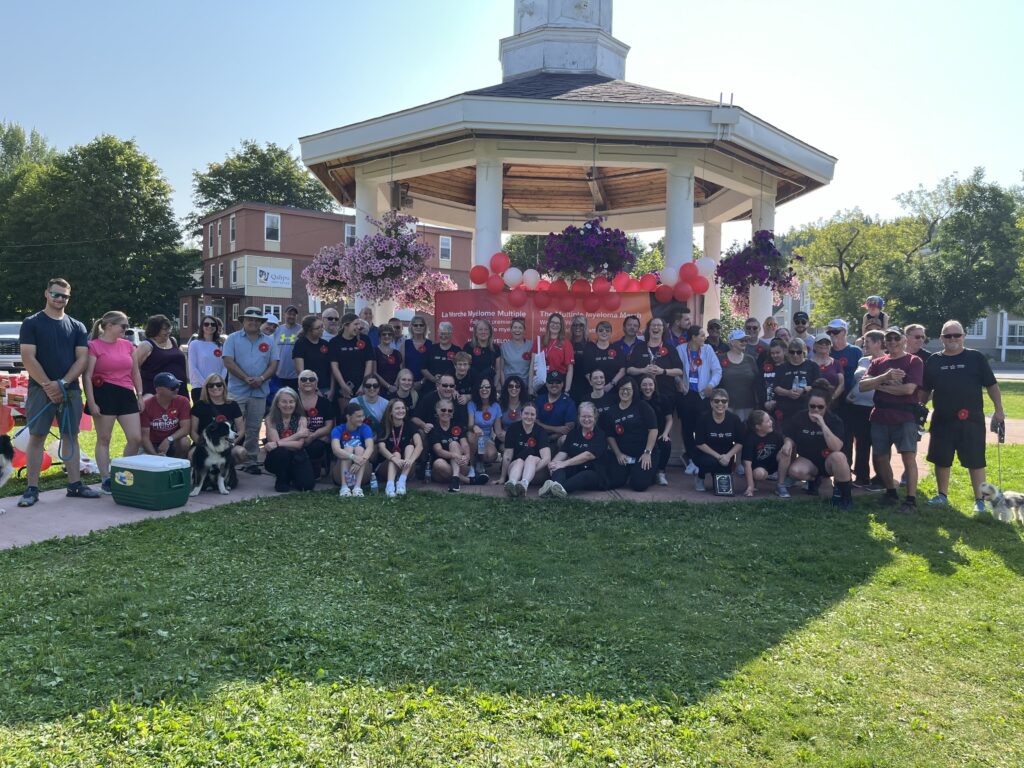
[Photo: Corner Brook March, 2025.] Last year we raised almost $20,000, which still blows my mind for a small community. We had over 60 people. It’s getting bigger each year.
MC: What would you say your goal is with the March?
JW: It’s definitely not the money. Obviously, fundraising is great and it goes to support a lot of good things. But my goal is really just getting the community together and making people feel seen and like they have somewhere to turn. On March day, everyone is mingling and sharing their stories. Caregivers, patients, people in remission, people currently going through it. Even before the day, things like seeing posters up around town or having someone reach out and me being able to say, “Oh, there’s actually a support group in Corner Brook, check this out.”
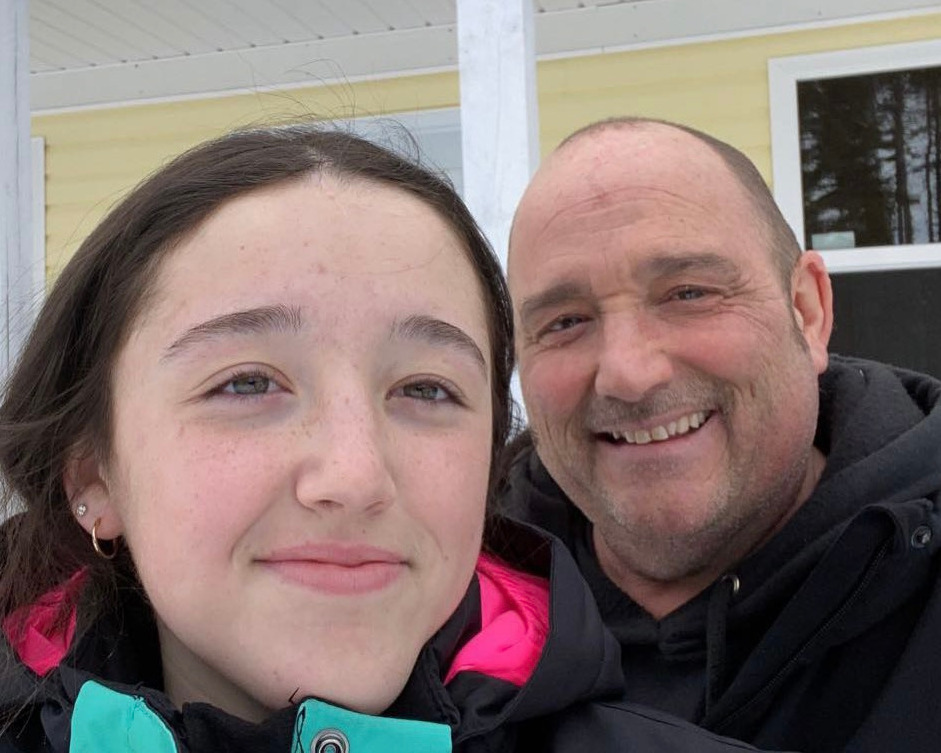
[Photo: Jasmine Way and her dad Monty.] If I can make just one person feel like they have a group of people to turn to, that’s all I want. My dad didn’t have that. He didn’t know anyone his age in the community going through the same thing. That’s what this is really about.
MC: What would you say to someone thinking about organizing a March for the first time?
JW: Absolutely do it. It is so worth it. In the big picture, it’s not as daunting as it sounds. There’s a lot that goes into it, but it’s incredibly rewarding. Every conversation, every person you meet, just fills your heart.
MC: Is there anything else you’d like to share about your experience?
JW: There’s one moment from the first year that I’ll never forget. I spoke with a gentleman who was fairly far into his journey with myeloma. He came up to me in tears and said, “Thank you so much. You don’t know how much you’ve made my day, my week, just seeing all these people here.” Sadly, he passed away last year, but his family keeps coming back to the March every year. He asked if he could hug me and I said, “Of course.” I’ll never forget that.
MC: What keeps you going?
JW: Me and my family have to keep going through life, and sometimes that’s hard when you’re doing things you used to do together. But I think it’s important to keep living life to the fullest and to carry those memories with us. Being part of the March each year keeps me grateful. Telling my dad’s story, or really just sharing what he taught me, makes me feel like a better person. I know he would be proud.
MC: What would you say to other family members of someone living with myeloma?
JW: Make memories with each other. If my dad taught me anything, it was to live every day like it could be your last. Don’t take anything for granted. Tell your family members you love them every single day, because you don’t know when the last day will be. That’s what’s important.