



September 23, 2026
Garnet Caplette
Living With Myeloma
My name is Garnet Caplette. I’m a Senior Architect working at SaskTel. You’d be surprised how I came to be an architect. Back when I was going to school I had always assumed I would be an architect at some point, I just had no idea that I’d be this type of an architect. I’m officially trained to work in construction and physical design, not the design of technical systems and application landscapes. But none of us know the journeys upon which life is going to take us.
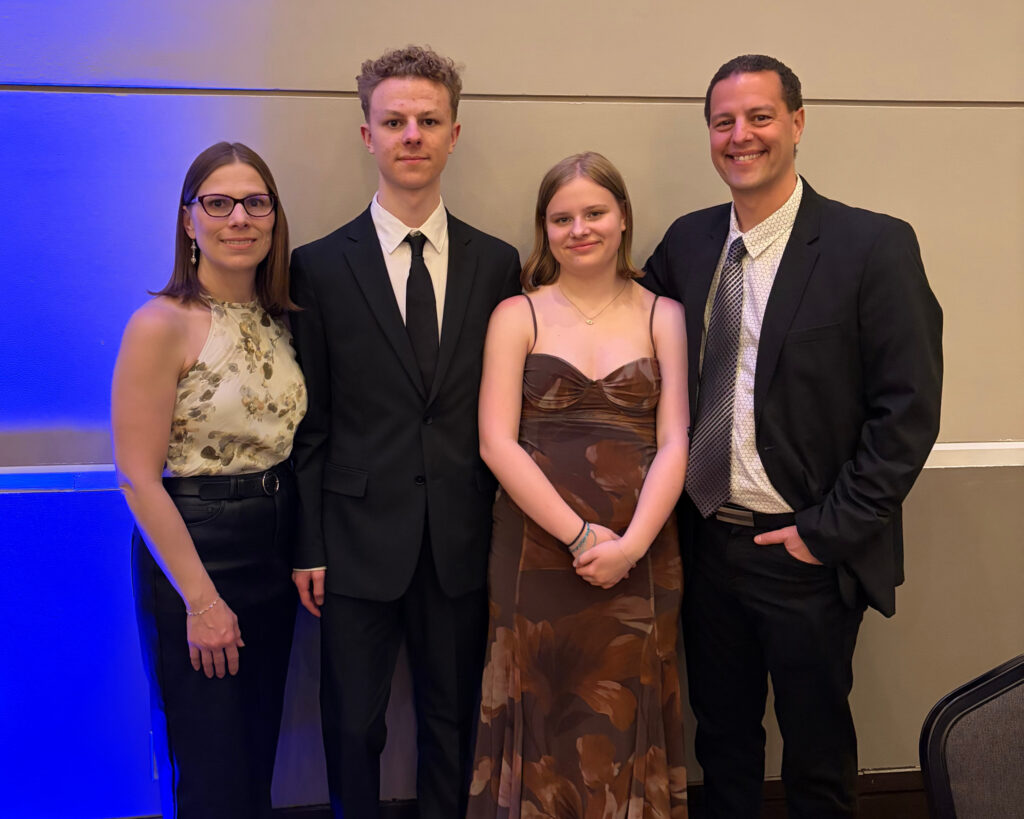
My wife Christina and I got married in November of 2005. Since then, we’ve raised a family together. We have a son who has recently graduated and a daughter who is coming to the end of high school.
Christina and I are both working professionals, we have a very big family, and we’ve always loved to travel. We’ve travelled across all the provinces together, visited family, and travelled through parts of the US, Mexico, and the Caribbean. We’ve also been lucky enough to travel farther afield.
It’s a pretty normal life. Or at least, it was until we heard the words “multiple myeloma.”
New vocabulary: Multiple myeloma
Neither of us had any idea what multiple myeloma was. Like many people, cancer was something we knew about in a general sense, but multiple myeloma wasn’t something that had ever entered our world.
That’s one of the strange things about this disease. You can be living a completely normal life and suddenly you’re being introduced to a disease you had never even heard of.
For Christina, it started with back pain and what we thought were probably fairly normal explanations for it. Eventually, she was found to have compression fractures in her spine. Then, on December 23, 2021, routine bloodwork showed that her hemoglobin was down to 49. The low end of normal is around 120. We were told to go straight to the hospital.
That was really the beginning of everything changing.
Diagnosis: “It was all moving so quickly”
At first, it was all moving so quickly that I don’t think we really understood what was happening. We had a family, careers, plans and all the normal things you have going on when you’re in your forties. Then suddenly we were in the hospital because Christina’s blood counts were extremely low. Her kidneys were having problems and she needed a transfusion.
We were eventually released from the hospital but we still didn’t know the cause of the low hemoglobin.
Then a couple of weeks later, Christina was having trouble breathing so we went back to the emergency department. Her hemoglobin was below 70 and she needed more blood.
That time, an ER doctor essentially said, “You deserve some answers.” Christina was admitted and they started doing test after test.
Then the word cancer came up.
On January 10, 2022, we found out it was myeloma.
I remember thinking, well, this changes everything.
We were young. We were in the heart of our careers. We were raising our kids. This is that really busy part of life where you’re watching your children become their own people. You’re thinking about graduations, careers, partners, weddings, families, and everything that comes next.
You’re making plans for the future because you assume the future is there.
Then suddenly, you’re not sure what that future looks like anymore.
As a planner, I’ve learned that it doesn’t matter how much you plan for something. That doesn’t mean it will happen that way, and almost never does.
Being a caregiver to someone with myeloma
There were a lot of times when I felt helpless.
You sit beside your wife in a chair with all the cables and pokes and pills and treatments and you feel like there’s nothing you can do. You can’t fix the cancer. You can’t take the treatment for her.
But after a lot of practice, you learn that being there is part of it.
It’s doing the little things.
When I’m told that my wife is tired, we change plans. When we’re feeling under the weather, we take it easy. When something is too much, we adjust.
Christina had a really difficult time with her back during the early part of treatment. She lost a lot of her mobility and didn’t feel confident driving. Things that had always been completely normal suddenly weren’t.
Peaks and valleys
Eventually, Christina had a successful stem cell transplant, went through all the immunizations again, got back to work, and we were living a relatively cancer-free life. We travelled. We did normal family things. We celebrated milestones.
Then the numbers slowly started climbing again.
We eventually got the call that she needed another bone marrow biopsy, and in January 2026 we got confirmation that the cancer was back.
It was difficult, but one thing we have learned is that you have to keep moving forward.
This time, the treatment responded very well. By around the middle of March, her numbers had come down to what would be considered a full success.
There were decisions to be made about another stem cell transplant, and that was something we really didn’t want to rush into. We talked with the oncologist, looked at the options, and decided to continue with the treatment that was working while we bought time for other treatment options.
You learn to deal with what is in front of you.
Family and friends
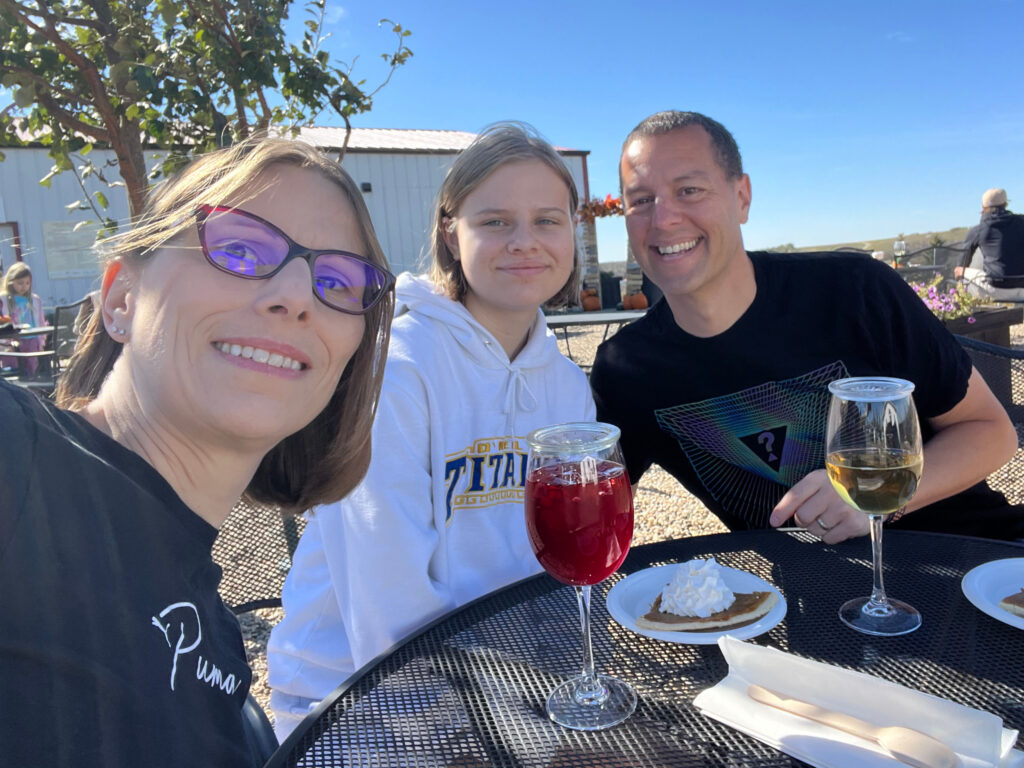
[Photo: Christina, Natalie, and Garnett]
We have a very big family, and that family gets even bigger when you include our friends and coworkers. The amount of support we’ve received has been amazing.
There are so many people who have been willing to help us through this journey.
I also think you learn that support doesn’t always mean doing something huge. Sometimes it is just being there. Sometimes it’s changing plans because somebody is tired. Sometimes it’s listening. Sometimes it’smaking a joke at exactly the right time.
You just keep showing up.
Finding an even bigger community
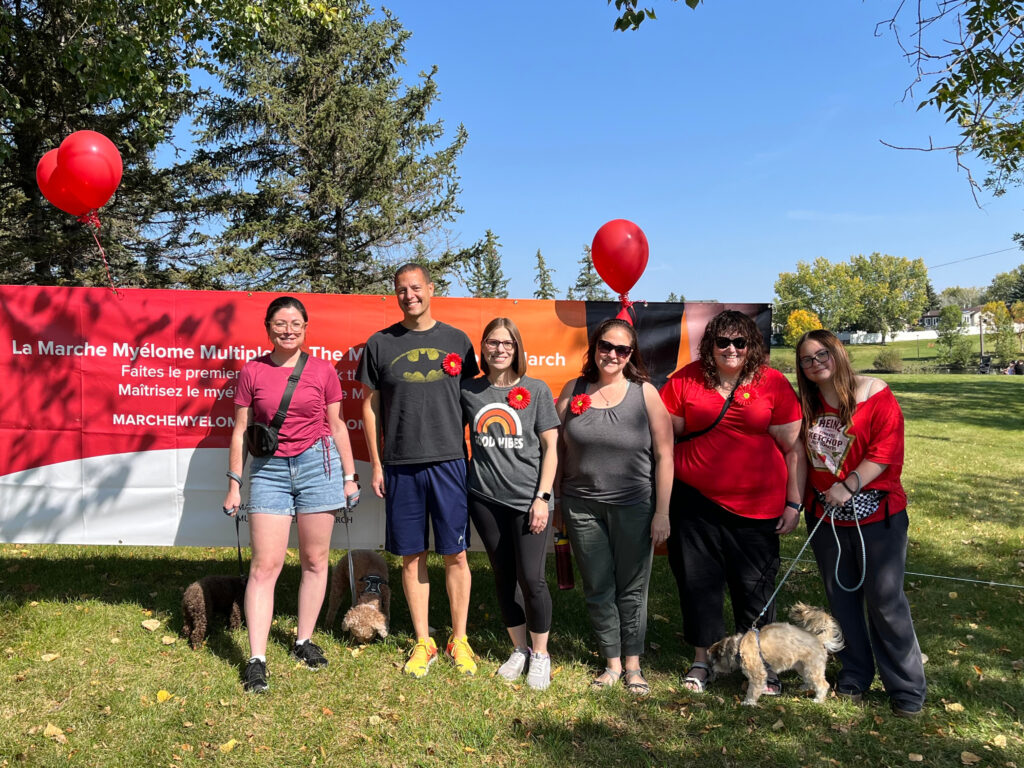
[Photo: Winnipeg Multiple Myeloma March, 2025]
When we started this journey, we didn’t know anything about multiple myeloma.
Now we’ve had the opportunity to attend sessions, have Christina speak, and become involved with the Multiple Myeloma March in Regina. We’ve recently taken up the torch from other leaders and are now helping lead the Regina March.
That means a lot to us.
Being involved with the myeloma community gives us an opportunity to help other people who are now walking the same path we were suddenly put on.
Advice to caregivers
You can’t fix it.
I think that’s probably one of the hardest things for a caregiver to learn. You want to solve the problem. You want to make it better. You want to take the pain away.
Sometimes all you can do is sit there. And that’s okay.
Be there. Do the little things. Listen. Change the plans when you need to. Keep living your life together.
Don’t let go of the goals but understand that the path to those goals might change.
And make memories.
We still have plans.
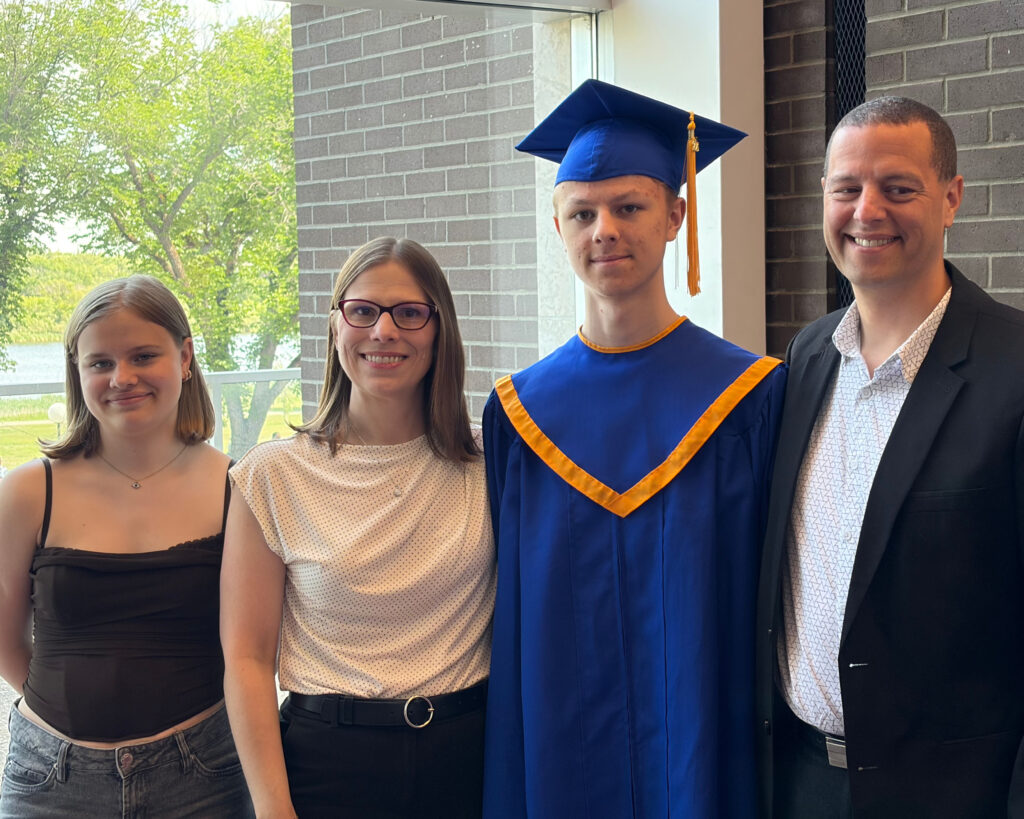
[Photo: Celebrating Isaac’s graduation.]
Our kids are growing up. We’ve got graduations ahead of us. We’ve got trips we want to take. We’ve got places we want to see and things we want to experience together.
We have plans for Italy, Costa Rica, and France, and I’d still really like to see polar bears in Churchill.
There are a lot of things left to do, so we keep moving forward.
For us, multiple myeloma hasn’t changed what matters. It has probably made us more aware of what matters.
You don’t get to choose everything that happens in life. You can choose how you respond to it.
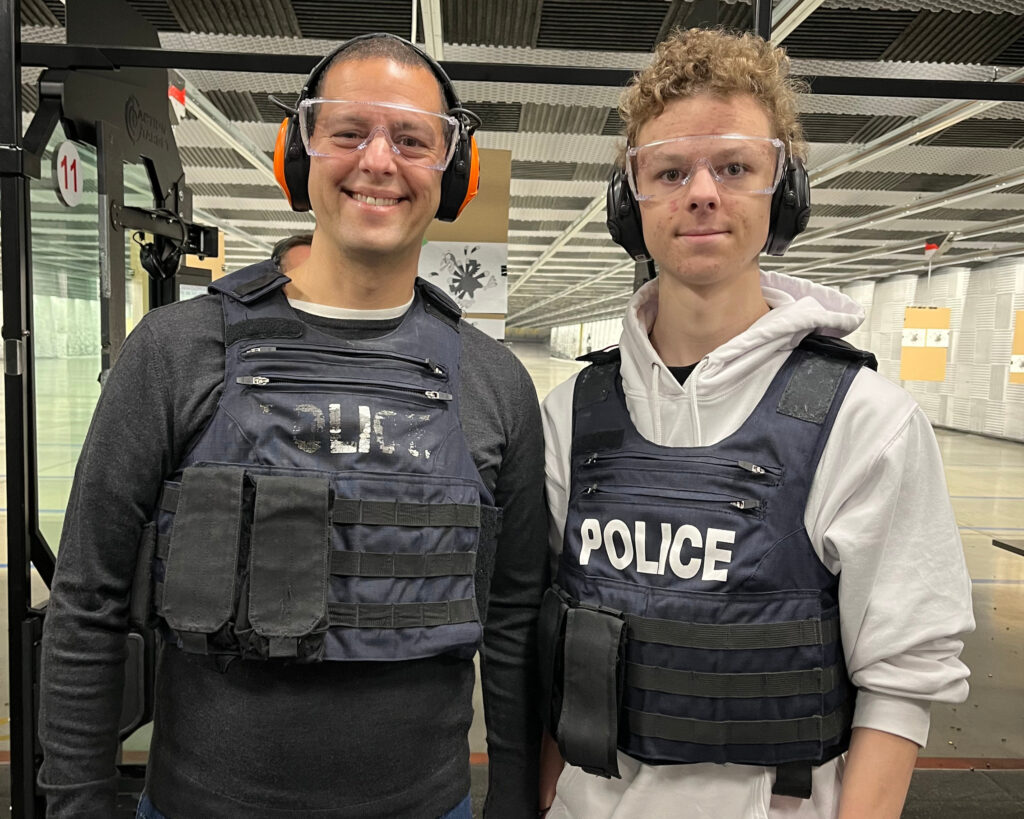
[Photo: Garnet and Isaac.]
That’s where we are.
We’re here, we’re fighting, and we continue to drive forward.
Together, we can keep pushing forward.