

August 19, 2026
Building Credibility and Amplifying the Patient Voice
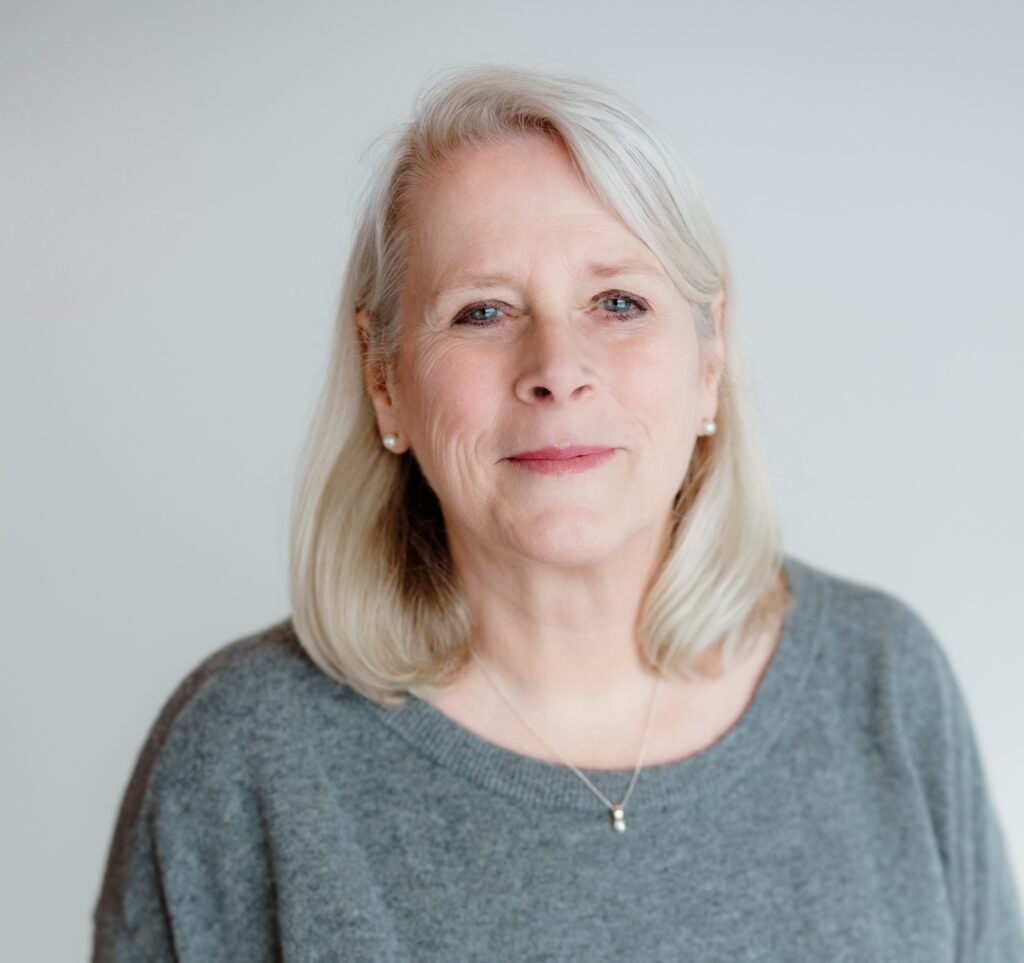
At Myeloma Canada, we often speak about the importance of ensuring that patients have a seat at the table. But being invited to the table is only the beginning. To influence the decisions that shape research, clinical practice, and access to treatment, we must arrive prepared with evidence, expertise, and a deep understanding of both the science and the experiences of the people we represent.
This is why I encourage Myeloma Canada staff to develop strong scientific knowledge and credibility. Our team must be able to participate meaningfully in complex discussions with clinicians, researchers, policymakers, and healthcare leaders. We must understand the language of science, ask informed questions, challenge assumptions when necessary, and introduce perspectives that might otherwise be overlooked.
Building credibility through peer-reviewed contribution
Credibility is not developed overnight. It is earned through continuous learning, careful analysis, collaboration, and a willingness to contribute substantively. One important reflection of this work is our growing involvement as authors and co-authors of peer-reviewed scientific publications.
Peer review is a rigorous process in which independent experts assess research manuscripts before publication. When Myeloma Canada staff contribute to peer-reviewed studies, consensus guidelines, and policy research, it demonstrates that the knowledge held within a patient organization is both relevant and valuable. More importantly, it helps ensure that the realities of patients and caregivers are embedded in the evidence used to guide care.
I have personally had the privilege of co-authoring five recent peer-reviewed publications highlighted on our website’s Myeloma Canada in the Literature section. Collectively, they address quality of life, patient treatment preferences, delays in access to oncology drugs, the role of real-world evidence in drug-funding decisions, and recommendations for the effective use of CAR T-cell therapy and bispecific antibodies. These collaborations have confirmed for me that scientific evidence and patient experience are not competing forms of knowledge. Each strengthens the other.
Our team’s contributions extend well beyond my own
Gabriele Colasurdo has contributed to national consensus recommendations on first-line treatment for transplant-eligible patients, guidance on minimal residual disease testing, and recommendations to standardize the diagnosis of myeloma and related disorders. He also co-authored research examining whether the quality-of-life measures commonly used in research fully reflect what patients and caregivers identify as most important.
More recently, Gabriele and Michelle Oana were co-authors on a paper arising from Myeloma Canada’s Phase 0 innovative Workshop. This work brought together patients, clinicians, researchers,and policy partners to develop an equity-focused navigation model intended to reduce barriers to clinical-trial participation, including travel, cost and language. It is a powerful example of a patient organization moving beyond identifying challenges to helping design practical, evidence-informed solutions.
When patients are named authors on research, their perspectives are not just filtered through a clinical lens or summarized in a quote. They shape the questions being asked, the outcomes being measured, and the conclusions being drawn.
Review this and other publications on our website’s new Myeloma Canada in the Literature page.
Debate what matters
Authorship requires us to support our positions with evidence, subject our work to external scrutiny, and contribute constructively to the broader scientific community. It builds credibility that allows us to participate in the debates that matter: How should quality of life be measured? Which outcomes should determine the value of a treatment? How can clinical trials become more accessible and representative? How should innovative therapies be introduced safely and equitably? What must be done to reduce the delays that prevent patients from receiving timely access to new treatments?
These questions cannot be answered by any one group alone. Scientific and clinical expertise are essential, but so are lived experience, health-policy knowledge and an understanding of the barriers patients face in the real world.
When Myeloma Canada staff and people with lived experience participate as research partners and authors, we help connect these different forms of expertise. We ensure that patient perspectives are considered not only after research has been completed, but while questions are being defined, studies are being designed, and recommendations are being developed.
Our responsibility: Building a bridge
Our responsibility is therefore twofold:
- to represent the patient voice
- to ensure that this voice is informed, credible and impossible to dismiss.
By investing in the scientific development of our staff and contributing to peer-reviewed research, Myeloma Canada is helping bridge the worlds of science, policy, and lived experience.
That bridge is where meaningful change begins.
Warmly,
Martine
An additional note of gratitude to Bill Paine
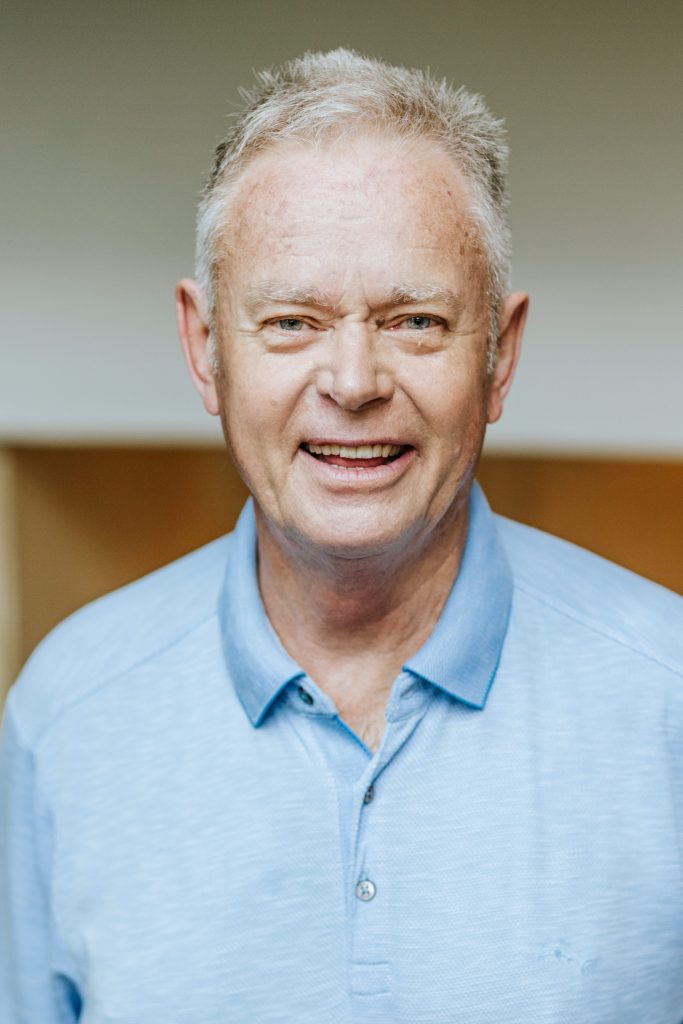
I would like to express our sincere gratitude to Bill Paine for his exceptional service as Chair as his term has come to an end.
Throughout his tenure, Bill has been a trusted partner, thoughtful advisor, and steadfast supporter of Myeloma Canada. His leadership has helped us navigate opportunities and challenges while strengthening our organization for the future. He has consistently encouraged us to think bigger, plan strategically and expand our philanthropic efforts.
Bill’s confidence in our team and belief in Myeloma Canada’s potential have meant a great deal to me personally and to the organization as a whole. Although he is stepping down as Chair, we are delighted that he will remain a member of the Board and continue supporting our fundraising and relationship-building efforts in Canada and internationally. We are deeply grateful for his leadership, generosity and continuing commitment to our community.