


January 22, 2026
Patient Perspectives, Access to Treatment, and Navigating Complex Systems: A Look Back on a Year of Advocacy

In 2025, Myeloma Canada continued to advocate for a healthcare system where innovation, compassion, and equity come together to serve people living with cancer. This year’s advocacy work was grounded in one unwavering principle: progress in cancer research only matters if patients can benefit from improved care fairly, timely, and with dignity.
Throughout the year, Myeloma Canada’s health policy and advocacy team participation at conferences and policy forums across Canada ensured that the voices of patients and caregivers remained central to discussions shaping the future of cancer care.
During these events, it’s not uncommon to see several of our partners, but it’s also an opportunity for us to be visible to other organizations or members of the pharmaceutical industry with whom we don’t regularly work, government officials who operate within the healthcare system, and sometimes a few decision-makers. It’s a chance for us to raise awareness among the various players in this vast ecosystem about our community’s reality and to gain significant visibility with them.
Why is it so important to be visible? Because when committees or working groups are formed, or when more targeted consultations are launched, all these opportunities will have allowed us to position ourselves as a partner of choice. By being visible, we create more opportunities for our organization to collaborate on larger-scale projects and build our reputation with decision-makers.
So, where did we go, and what did we discuss?
The year began with critical conversations in Québec focused on access, efficiency, and emerging innovation. At the Canadian Association for Healthcare Reimbursement (CAHR) Québec Conference, Myeloma Canada contributed with a patient perspective to discussions on healthcare efficiency and exceptional access measures. These conversations highlighted an important reality: patients should not shoulder the burden of navigating complex systems or economic uncertainty. We must continue to advocate for policies that allow people living with cancer to experience care with dignity and stability.
Later in February, Myeloma Canada participated in the Cell and Gene Therapy Action Group conference, where patient advocates, clinicians, researchers, and industry partners discussed the rapid emergence of transformative therapies. While these treatments offer unprecedented hope, there is still uncertainty around access to those treatments. There was strong alignment among participants on the urgency of coordinated action to ensure these innovations become a reality for patients across Canada.
In March, Myeloma Canada attended the annual conference of the Quebec Cancer Coalition, a longstanding partner in our advocacy efforts. The conference served as a reminder that progress is built not only through policy change, but through sustained collaboration and shared commitment to patient well-being.
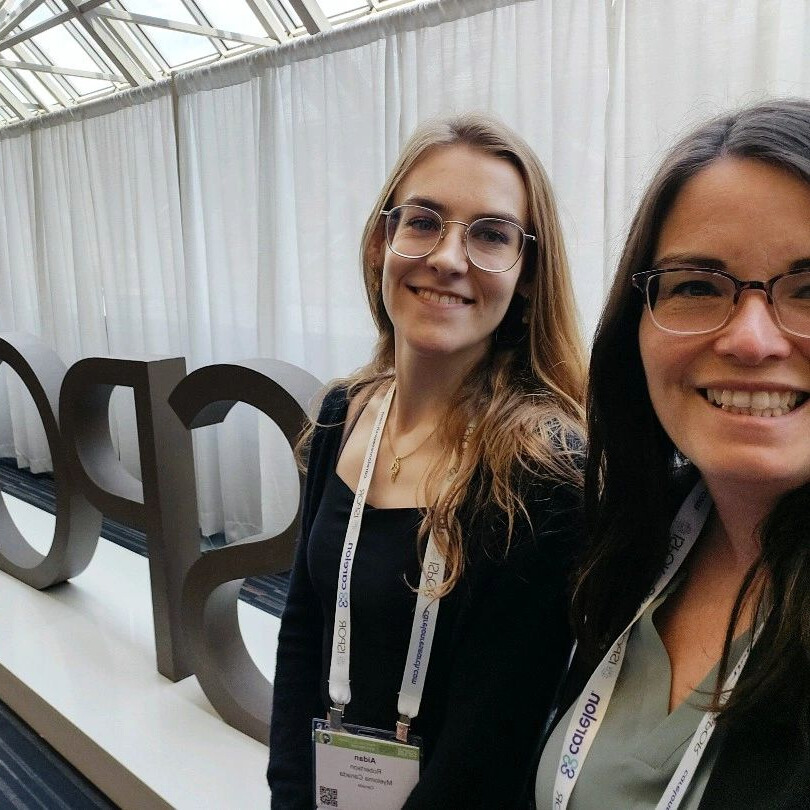
[Photo: Aidan Robertson (Advisor, Health Policy & Advocacy) and Jessy Ranger (Director, Patient Programs, Health Policy & Avocacy) at ISPOR]
May was marked by a strong focus on patient-centered approaches to research and value-based healthcare. At the International Society for Pharmacoeconomics and Outcomes Research (ISPOR) 2025 in Montreal, Myeloma Canada engaged in discussions centered on patient-reported outcomes, value-based healthcare, and equity. A key takeaway was the growing recognition that patient preferences and lived experiences must be integral to how healthcare value is measured.
This focus continued at the Forum Recherche Clinique Québec, where Myeloma Canada-led initiatives were showcased. These included research on treatment preferences, efforts to engage Indigenous communities affected by myeloma, and projects aimed at reducing barriers to clinical trial participation. This forum demonstrated the impact of collaboration in transforming research into meaningful outcomes for patients.
In July, a major milestone was reached with the publication of a Canadian study exploring treatment preferences in relapsed refractory multiple myeloma, in which we are a co-author. “Exploring what matters most to patients in relapsed refractory multiple myeloma treatment: a Canadian discrete choice experiment with patients, caregivers and physicians,” was developed through multi-year collaboration with partners across the healthcare ecosystem, underscored the importance of incorporating patient and caregiver perspectives into research.
The publication of this study reinforced a core advocacy message: when patient voices are embedded early and meaningfully in research, the resulting evidence is stronger, more relevant, and more impactful.
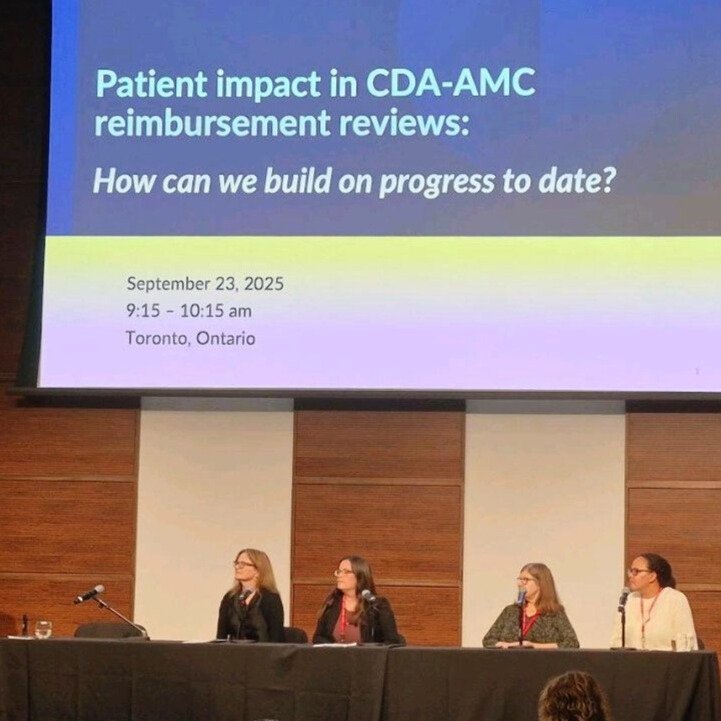
[Photo: Jessy Ranger (center) on panel with Gail Attara and Bonnie Macfarlane, members of the Steering Committee for the Canadian Association for Population Therapeutics conference, and Deirdre DeJean, PhD of the CDA-AMC]
September was a significant month for collaboration and community engagement at Myeloma Canada. At the Canadian Association for Population Therapeutics (CAPT) conference, we participated in a panel highlighting a multi-year initiative aimed at improving patient involvement in health technology assessment (HTA) processes. This work demonstrated how trust and partnership between patient organizations and assessment bodies can lead to tangible change.
Later in the month, we hosted the International Myeloma Patient and Caregiver Conference in Toronto, bringing together patients, caregivers, and experts from Canada, the United States, Europe, and Australia.
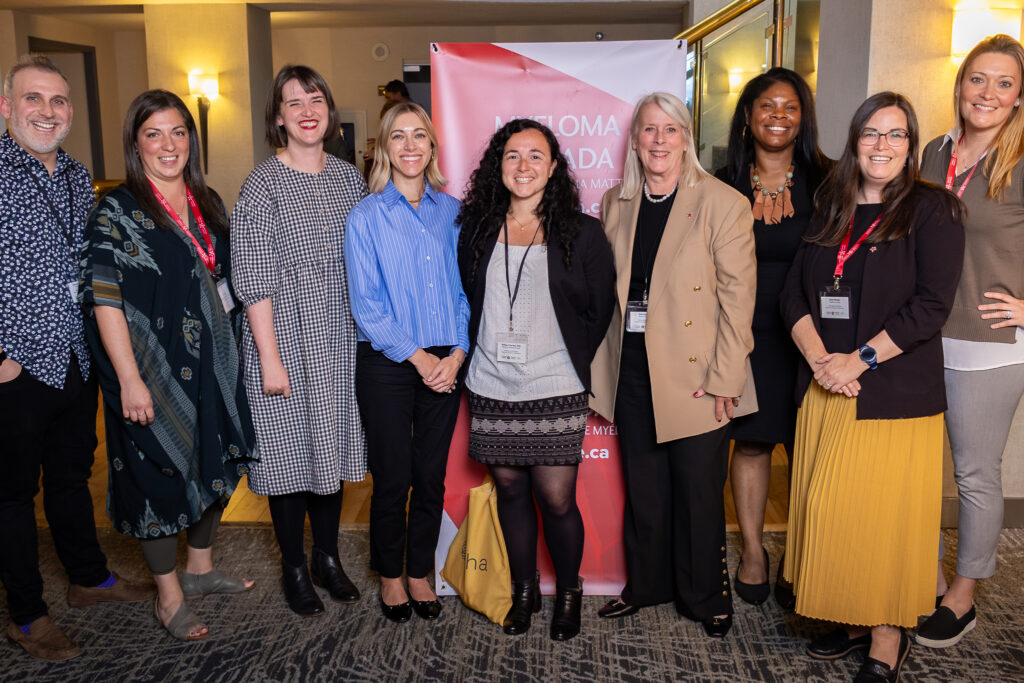
[Photo: Myeloma Canada’s International Patient & Caregiver Conference in Toronto – Gabriele Colasurdo, Michelle Oana, Kate Morgan (MPe), Kate Joyner (MPe), Solène Clavreul (MPe), Martine Elias, Shaneika Heslop, Jessy Ranger, Chantel Wicks ]
With 17 expert speakers and participants joining from across borders, the conference fostered shared learning, global collaboration, and renewed hope. This gathering underscored the power of community in advancing both knowledge and advocacy.
October featured a series of high-level conferences focused on regulatory changes to make rules more patient-centred and Canadian market access to innovative treatments, including ThéCell, Drug Information Association (DIA), and Market Access Summit. Across these forums, Myeloma Canada advocated for patient-centered solutions to close the growing gaps between scientific advancement, real-world evidence, and access. Discussions explored Quebec’s approach to implementing cell therapies, Canada’s role in global regulatory collaboration, and evolving definitions of value in healthcare. A critical message emerged: too many patients are still waiting for innovative therapies that exist but remain inaccessible. Addressing this gap requires bold, coordinated action and a sustained commitment to patient inclusion in decision-making.
At the Longwood National Cancer Summit in Toronto in November, Myeloma Canada joined national leaders to examine Canada’s readiness for the next era of cancer care. Conversations focused on system capacity, regulatory timelines, and equitable access to innovation. From a patient advocacy perspective, the message was clear: innovation must be matched by systems capable of delivering it. Ensuring timely access to therapies already available in peer countries remains a critical priority for the years ahead.
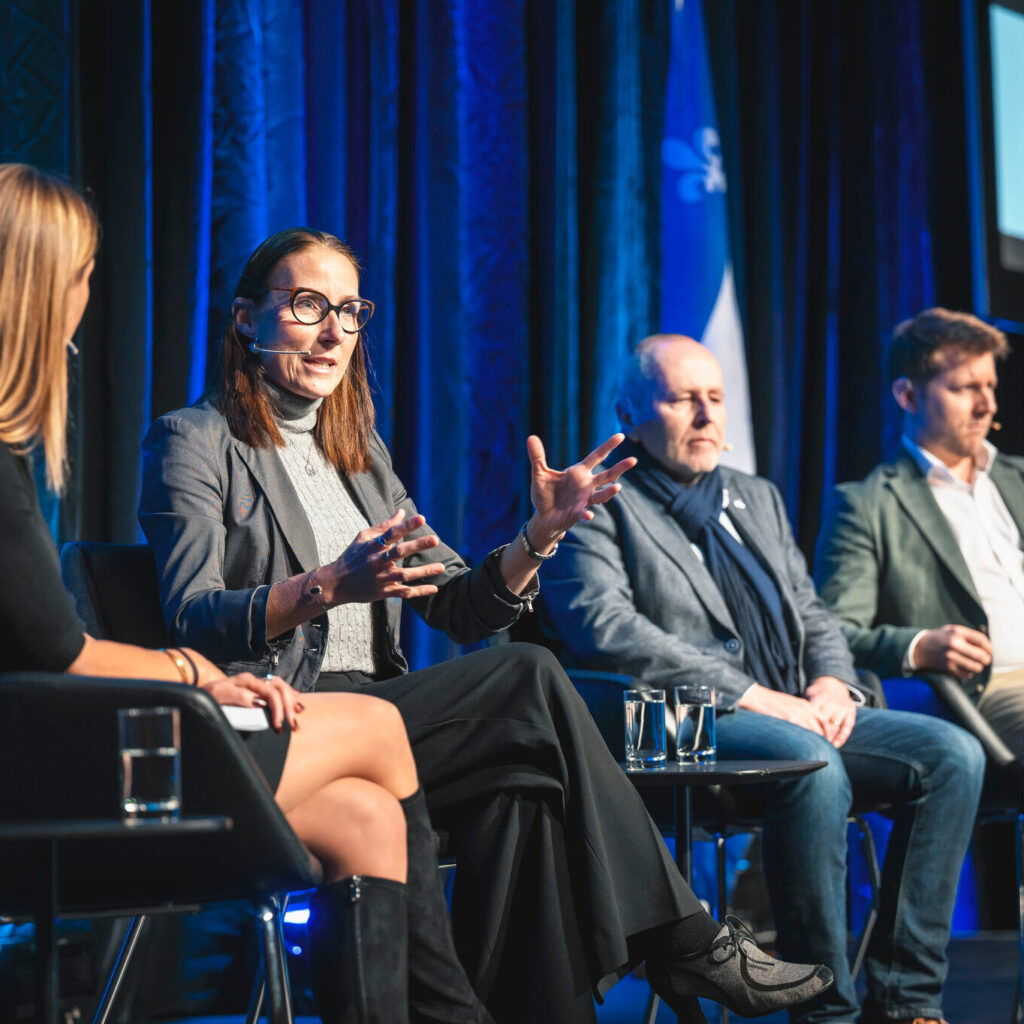
[Photo: Lyzane Bissonnette speaking on a panel at the Forum de l’industrie de la santé au Québec (FISQ)]
The year concluded at the Forum de l’industrie de la santé au Québec, where Myeloma Canada supported patient-partner and ambassador Lyzane Bissonnette as she shared her lived experience. Her testimony, shaped by engagement with the broader myeloma community, highlighted the importance of coordinated, compassionate care.
This closing moment of the year served as a powerful reminder that patients are not only beneficiaries of advocacy — they are its leaders.
Together, we move forward with hope.
2025 was a year of meaningful progress, honest reflection, and continued advocacy. While challenges remain, our collective efforts reaffirm that change is possible when patients, caregivers, clinicians, policymakers, and partners work together with shared purpose.
Myeloma Canada remains committed to ensuring that the voices of those living with cancer continue to shape the systems designed to support them.